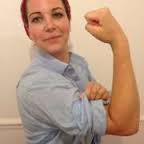
I’ve always had issues with my skin. From a severe bout of psoriasis as a teen to a recent flare up of eczema and a mystery patch of scales appearing on my chest, it’s been part and parcel of my everyday life for as long as I can remember. I’d be interested to know to what extent I keep sun lotion companies in business during the summer; and the amount of money I’ve spent on overhyped, overrated expensive skincare products recommended by sponsored bloggers is astronomical. Over the years however, I’ve made my peace with it.
So why do people insist on continuing to judge me and others by the state of our skin? It’s part of the same phenomenon of people telling you that you don’t look very well when actually you thought you looked fine. Recently I went to a GP appointment to ask if there were any treatment options available for my current condition - cystic acne that manifests as a red hot rash rather than too many spots - without any makeup on. I wanted the doctor to see my skin at its worst, no holds barred, to ensure they saw the real severity of it and could provide the appropriate advice. I was prescribed antibiotics and sent on my way but following my arrival at work an hour later, someone told me I looked hot and tired. Others made glances at my cheeks, which were usually covered in the palest foundation.
“Sometimes it would be nice to have that extra half hour in bed”
When you live with a skin condition, awkward stares and not so subtle comments happen on a regular basis. And the media doesn’t help. Although as a woman I have the luxury of being able to choose to cover my face with makeup without judgement - when realistically, a man cannot do the same - there are days I don’t want to wear any at all. If I could give my skin a chance to breathe, perhaps it’d eventually look and feel better. Sometimes it would be nice to have that extra half an hour in bed, or to simply have the confidence to walk out of the door with a smile on my face and my already irritated skin not worsened by products.
While it is understandable that not everyone feels confident in their skin and I know all too well how it feels to be insecure when you know you aren’t looking your best, the portrayals we see of flawless, airbrushed skin are unrealistic. The constant barrage of skincare adverts showing models with a tiny discoloration on their face, and the success of bloggers who are sponsored to promote products that do not have a positive effect on skin conditions which need to be treated medically, contribute to a warped view of what the perfect body image should be.
“[I]t would be wonderful to see a model with imperfect skin who is proud of it and doesn’t have to hide it away”
Then there is a lack of inclusivity across beauty standards. While somebody may argue that weight does not matter, for example, they may also contribute to a discussion regarding a desire for perfect skin. Simply Be’s latest, supposedly inclusive campaign uses models of varying dress sizes. While this is a step in the right direction, each one of those models has a perfectly made up face and impeccable skin. I’m glad there is somebody closer to my size given such an opportunity, but it would be wonderful to see a model with imperfect skin who is proud of it and doesn’t have to hide it away.
The next time you see somebody with a skin condition - whether it’s acne, rosacea, psoriasis, dermatitis, eczema, or anything else - bear in mind that they may not feel confident enough in themselves to be able to handle a comment you make, whether it was well-intentioned or not. I would love to be able to wear my skin with pride, even if the ePassport machine in airport arrivals won’t recognise me with no makeup on.